


Fashion Photography Lighting Techniques for E-Commerce Success
Unlocking the Power of Lighting in E-Commerce Fashion Photography
Lighting sits at the heart of every compelling fashion photograph, and in the world of e-commerce, it’s the silent salesperson that often seals the deal. When a customer scrolls through endless product listings, what makes your fashion item stop them in their tracks? Nine times out of ten, it’s the way the product is lit. Fashion Photography Lighting Techniques for E-Commerce are not just technical tricks—they’re essential strategies that shape how online shoppers perceive colors, fabrics, and your brand’s very identity.
Good lighting does more than banish shadows; it elevates textures, flatters colors, and ensures garments look as inviting online as they do in person. A poorly lit blouse, for example, can appear dull and lifeless—costing you sales and eroding trust. On the other hand, thoughtfully sculpted light boosts conversion rates, with studies showing that high-quality images can increase e-commerce sales by up to 30%. For brands aiming to carve out a unique space in a crowded digital market, mastering lighting isn’t just a technical must—it’s a creative, strategic advantage.
Brand identity is intricately tied to how products are presented. Crisp, consistent lighting signals professionalism and reliability, while uneven, harsh, or shadowy images send shoppers clicking elsewhere. In short: if you want your e-commerce fashion photography to work as hard as possible for your bottom line, learning to command light is non-negotiable.
Essential Lighting Setups for E-Commerce Fashion Shoots
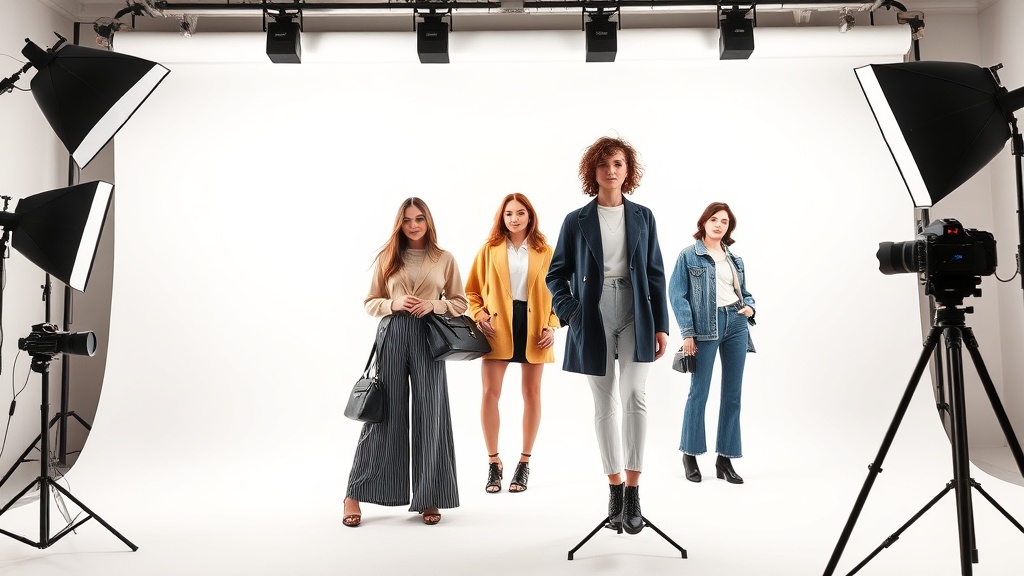
Every successful fashion shoot begins with a well-considered lighting setup. The classic three-point lighting arrangement—key light, fill light, and back light—remains a favorite for a reason. This setup creates depth and keeps shadows in check, ensuring garments pop without losing detail. It’s a go-to for full-body model shots on white backgrounds, serving up that crisp, catalog-ready look customers expect on top-tier e-commerce sites.
But what if you don’t have a warehouse full of gear? Here’s where the single light with modifiers, such as an octabox or large softbox, shines. Using one strong, diffused light source from the front or slightly off to the side can give you beautifully even illumination with gentle, natural-looking shadows. This is ideal for flat lays, detail shots, or when you want to highlight fabric textures without distraction. The simplicity means fewer setup headaches and more time shooting.
- Three-point lighting: Pros: Professional, versatile, great depth. Cons: More equipment, takes up space.
- Single light with modifiers: Pros: Simple, portable, quick to set up. Cons: Less control over depth, can look flat if not positioned thoughtfully.
- Octaboxes and softboxes: These modifiers diffuse harsh light, mimicking the look of natural daylight and preventing unflattering shadows.
Ultimately, the best lighting setup for your e-commerce fashion shoot comes down to your brand’s visual identity, the look you’re after, and the resources at your disposal. Even with a single soft light and a reflector, you can achieve magazine-worthy results if you know how to wield them.
Choosing the Right Equipment: Lights, Modifiers, and Accessories
The gear you pick for your shoot can make or break the final image. When it comes to lighting for fashion product photography, your two major choices are continuous lights and strobes. Continuous lights, such as LEDs, let you see the effect in real time—a huge advantage when fine-tuning shadows and highlights. Strobes, on the other hand, pack more power and can freeze motion, but require a bit more technical know-how and testing.
Modifiers are the unsung heroes of professional lighting. Softboxes and octaboxes are industry staples for e-commerce, scattering light evenly while taming harshness. If you want to bring out the subtle grain in denim or the shimmer in silk, a big softbox placed close to the garment works wonders. Reflectors bounce light back onto shadowy areas, making sure no detail gets lost, while diffusers help you soften daylight or flash for a more natural, flattering look.
Don’t overlook backgrounds and accessories either. Seamless paper backdrops in white or neutral tones keep the focus on the clothes and make post-production a breeze. Clamps, stands, and sandbags? Not glamorous, but absolutely essential for stability and safety, especially when you’re juggling multiple lights and modifiers.
A properly equipped set doesn’t have to break the bank. Even a simple setup with a quality LED panel, a large octabox, and a collapsible reflector can elevate your fashion photography to the professional level expected by today’s e-commerce shoppers.
Lighting Techniques to Highlight Fabrics, Textures, and Details
There’s an art to capturing fabrics so that customers feel almost able to reach out and touch them. The right lighting techniques can make linen appear breezy, wool look cozy, or satin shine with a subtle gloss. It all comes down to understanding how light interacts with different surfaces—and knowing how to control it.
Soft, diffused lighting is your best friend for fashion photography. Placing a large softbox or octabox close to the garment wraps the fabric in gentle light, reducing harsh shadows and revealing texture. For intricate details like lace or embroidery, use a side light to create a bit of shadow and depth, but keep it soft to avoid exaggerating imperfections or causing blown-out highlights.
Color accuracy is just as critical as texture. Using daylight-balanced bulbs (around 5500K) ensures that reds don’t turn orange and whites don’t pick up unwanted tints. Overexposure is the enemy—if your highlights are clipping, you lose valuable detail. Underexpose slightly, then bring up the exposure in post-processing to maintain authentic color and texture.
For ultra-detailed shots, like close-ups of buttons or fabric weave, a small reflector or a second, weaker light can lift shadows and showcase every nuance. Remember, the goal is for your customer to see exactly what they’re getting—no unpleasant surprises on delivery day.
Creative Lighting Trends in Fashion Photography for 2026
Fashion e-commerce constantly evolves, and lighting trends shift right along with it. Looking to 2026, brands are experimenting with creative techniques that blend technical precision with storytelling flair. Natural light simulation, for instance, is making waves—photographers use large softboxes with adjustable color temperatures to mimic window light, creating an inviting, lifestyle-inspired look.
Colored gels are also enjoying a resurgence, adding a pop of personality and brand-specific hues to highlights and shadows. Subtle blue or pink tones can set a mood or reinforce a brand’s unique color palette. But the most futuristic trend? AI-driven lighting controls. Intelligent lighting systems now analyze garments and automatically adjust intensity, angle, and color balance to showcase each piece at its best.
This tech-forward approach isn’t just about flashy effects. It’s about weaving brand stories through light. Think of a sustainable clothing label using warm, sunlit tones to evoke earthiness, or a streetwear brand opting for cooler, high-contrast lighting that feels edgy and urban. These creative lighting choices don’t just sell clothes—they sell an attitude.
As the market gets more crowded, being bold with lighting will help your brand stand out. Whether you lean into hyper-realistic daylight, punchy colored shadows, or adaptive AI setups, the message is clear: lighting isn’t just technical, it’s a storytelling tool.
Practical Workflow: Planning and Executing a Flawless Fashion Shoot
Preparation is everything. Before models step onto the set, a smart workflow ensures your lighting is dialed in and ready to perform. Start with pre-shoot tests: set up your lights, shoot a few test frames, and review them on a calibrated monitor. Are the shadows where you want them? Are the colors true? Make adjustments before the clock starts ticking.
On set, consistency becomes your mantra. Mark positions for lights and models. Double-check that modifiers are secured and power outputs are noted, especially if you’re shooting multiple outfits or batches. If you need to tweak for different fabrics—maybe dialing down the power for lighter silks—do it methodically, recording every change. Reflectors and diffusers should be within arm’s reach for quick fixes.
Don’t overlook the importance of tethered shooting to a laptop. This lets you catch exposure or focus issues in real time, saving you headaches later. If you’re working with a team, communicate lighting changes clearly. Fashion e-commerce thrives on speed, but cutting corners on setup leads to costly reshoots.
Finally, post-production is where the magic gets polished. Adjust exposure, color balance, and contrast to keep images consistent across the board. But resist the urge to over-edit—authenticity and true-to-life representation win customer trust. With a streamlined workflow, you deliver pixel-perfect images that do justice to your products and your brand.
Elevate Your E-Commerce Brand with Professional Lighting Techniques
At the end of the day, the difference between average and exceptional e-commerce fashion photography comes down to lighting. Mastering Fashion Photography Lighting Techniques for E-Commerce is more than just a technical checkbox—it’s an investment in your brand’s reputation and profitability. Clean, consistent lighting cultivates trust, reduces returns, and keeps shoppers coming back for more.
In a marketplace awash with options, the brands that rise to the top are those that obsess over every visual detail. Lighting is your linchpin. It’s what turns fabric into fashion, and browsers into buyers. Whether you’re a solo entrepreneur or running a global label, take your lighting seriously. Your sales—and your story—depend on it.
The path to e-commerce success is lit, quite literally, by those who know how to make every pixel shine. Set your standards high, keep your techniques sharp, and watch as your images—and your conversions—reach new heights.
Frequently Asked Questions
What are the most effective lighting setups for e-commerce fashion photography?
The most effective lighting setups for e-commerce fashion photography are soft, diffused lighting using softboxes or umbrellas. This minimizes harsh shadows and highlights product details, ensuring consistent and professional-looking images.
Why is consistent lighting important in fashion e-commerce photography?
Consistent lighting ensures that all product photos look uniform, building brand credibility and making it easier for customers to compare items. It also helps prevent color discrepancies, which can reduce returns due to mismatched expectations.
How can I achieve natural-looking lighting for my fashion e-commerce photos?
To achieve natural-looking lighting, use large diffusers or shoot near windows with indirect sunlight. Avoid direct flash and balance your light sources to create soft, even illumination that flatters both garments and models.
What role do reflectors play in fashion photography lighting for e-commerce?
Reflectors help bounce light onto shadowed areas, reducing harsh contrasts and revealing more details in the clothing. They are essential for achieving balanced, well-lit images without additional lighting equipment.
Should I use continuous or strobe lighting for e-commerce fashion shoots?
Both continuous and strobe lighting have advantages, but strobes offer more power and control, freezing motion and producing crisp images. Continuous lighting is easier for beginners and allows you to see lighting effects in real-time, making it suitable for smaller setups.


