


How to Plan a Fashion Photoshoot for E-commerce: Step-by-Step Guide
Introduction: The Importance of Fashion Photoshoots for E-commerce
When it comes to selling fashion online, visuals do the heavy lifting. Ask any successful e-commerce founder about what makes a brand stand out, and nine times out of ten, they’ll mention the power of stunning imagery. If you’re wondering how to plan a fashion photoshoot for e-commerce, know this: the quality of your photos can make or break brand trust, influence customer perception, and directly impact your bottom line. Shoppers can’t touch, try on, or feel the fabric. What they see is what they get—so those images need to work overtime.
Professional, thoughtfully crafted fashion photos have been proven to boost conversion rates. According to Shopify data, products with clear, high-resolution images see up to 40% more sales than those with lackluster photos. High-quality images do more than showcase details—they tell your brand’s story, spark desire, and help customers imagine wearing the pieces in their own lives. In short, fashion photoshoots aren’t just a creative exercise; they’re a strategic investment for any e-commerce retailer.
Let’s not sugarcoat it: sloppy visuals erode credibility. If your website’s product shots are inconsistent or poorly lit, customers may hesitate to buy, fearing quality issues or misrepresentation. On the other hand, a cohesive set of images builds trust and ensures a seamless shopping experience. The stakes are high, but the returns—more clicks, fewer returns, higher loyalty—are well worth the effort.
Defining Your Concept and Goals for the Photoshoot
Before anyone picks up a camera or steps in front of a backdrop, you need a crystal-clear vision. Planning a fashion photoshoot for e-commerce starts with answering the big questions: Who is your target audience? What story does your brand want to tell? What do you want these images to accomplish? Are you introducing a bold new collection or simply refreshing your product gallery? Each goal requires a different approach.
Start by building a mood board—Pinterest or Milanote are your best friends here. Gather images, color palettes, and style cues that reflect your brand’s identity. Is your look sleek and minimalist, or bold and streetwise? Mood boards help align everyone’s expectations, from the photographer to the marketing team. Don’t just aim for pretty; make sure every visual element supports your e-commerce objectives, whether it’s highlighting unique garment details or creating lifestyle shots that drive add-to-cart urgency.
Selecting a theme helps keep the shoot focused and consistent. Maybe you want to evoke effortless summer chic or channel urban sophistication. Whatever you choose, consistency is key. The right theme not only makes for beautiful images but also helps customers recognize your brand instantly, no matter which page they land on.
Building the Right Team: Roles and Responsibilities
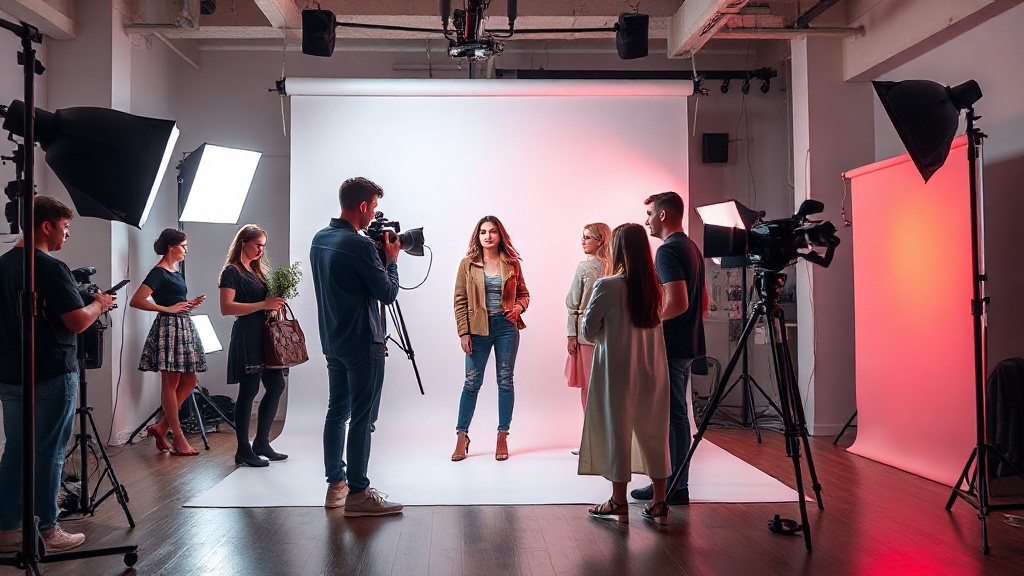
No fashion photoshoot for e-commerce succeeds in a vacuum. It takes a well-oiled team, each member bringing their own expertise. At minimum, you’ll need a professional photographer with a keen eye for product detail. Don’t skimp here—skilled photographers know how to translate fabric textures and true colors, both critical for online shopping.
Models are your brand’s living, breathing mannequins. Choose talent that reflects your target market and fits your sizing. A stylist is essential for curating looks and keeping outfits on-trend. Makeup artists and hair stylists ensure models look polished and camera-ready, while a creative director keeps everyone aligned with the original vision, making on-the-fly decisions when unexpected challenges arise.
Collaboration is the secret sauce. Regular pre-shoot meetings, shot lists, and open communication channels prevent misunderstandings. For example, a WhatsApp group or dedicated Slack channel can keep the whole crew in sync on call times, outfit changes, and creative tweaks. When everyone knows their role and feels heard, the results speak for themselves—think crisp, compelling images delivered on time and on budget.
Planning Logistics: Location, Scheduling, and Budget
Let’s talk nuts and bolts—because even the best creative ideas fall flat without solid logistics. Choosing the right location is step one. Studios offer controlled lighting and backdrops, perfect for consistency and volume. But don’t ignore on-location shoots—an industrial loft or city rooftop can inject personality if it fits your brand.
Next up: scheduling. Create a detailed shot list and timeline, factoring in outfit changes, makeup touch-ups, and lunch breaks. It’s not unusual for a full-day shoot to cover 30–50 looks, so efficiency counts. Pad your schedule with buffer time for inevitable hiccups—models stuck in traffic, a sudden rainstorm, or last-minute wardrobe malfunctions.
Budgeting is where dreams meet reality. Outline every expense: model fees, photographer rates, stylist and makeup costs, equipment rentals, permits, and even snacks for the team. For a mid-sized e-commerce shoot, expect to invest anywhere from $3,000 to $15,000, depending on scale and talent. Always have a contingency fund (10–15% of your total) for unforeseen costs. Permits are especially important for outdoor shoots—don’t risk fines or legal headaches by skipping this step.
Styling, Wardrobe, and Props for E-commerce Appeal
Styling can make or break your shoot—after all, the clothes are the star of the show. Choose pieces that photograph well and represent your latest collection or bestsellers. Avoid items that wrinkle easily or lose shape under studio lights. Accessories, like hats, belts, and jewelry, can add personality and context, but the focus should always remain on the featured product.
Working with a stylist is a game-changer. Experienced stylists know how to pin, tuck, and tailor on the fly so every piece looks runway-ready. They’ll also ensure consistency between looks—no stray threads or mismatched accessories. Keep a well-curated rack on hand, organized by outfit and model, to maintain a smooth workflow.
Props can enhance your brand story, but less is more. A simple chair, ladder, or a stack of books can create visual interest without stealing the spotlight. For e-commerce, the goal is clarity—customers should see every angle and detail. Sourcing wardrobe and props can be as simple as pulling from your inventory or partnering with local boutiques and designers for fresh finds.
Lighting, Posing, and Technical Setups for E-commerce Photography
Lighting is everything in fashion e-commerce photography. Natural light creates a soft, believable look but isn’t always consistent. Studio lighting—think softboxes, reflectors, and strobes—offers controllable, repeatable results. Most e-commerce shoots rely on a three-point lighting setup: key light for clarity, fill light to soften shadows, and a backlight for depth. Don’t forget color accuracy; what looks great to the naked eye might shift on camera, so always white-balance before you begin.
Camera settings matter too. Shoot in RAW for maximum editing flexibility. Use a moderate aperture (try f/8) to keep the whole garment sharp from top to bottom. A tripod helps maintain consistency, especially if you’re running through dozens of outfits in one session. For product shots, standardize your angles—front, back, side, and detail shots—to meet e-commerce platform requirements like those of Amazon, Shopify, or Zalando.
Model posing is both an art and a science. Instruct models to keep their posture natural, hands relaxed, and expressions confident but approachable. Movement shots—walking or turning—can bring garments to life, but static poses help customers assess fit. Mix both to offer a comprehensive view. Remember, the ultimate goal is to create images that not only look gorgeous but also help reduce return rates by accurately representing the product.
Conclusion: Maximizing Impact and Post-Shoot Workflow
Pulling off a flawless fashion photoshoot for e-commerce is no small feat. From initial concept to final edits, attention to detail at every stage pays off in higher conversions and a stronger brand presence. Once the cameras stop clicking, the real magic happens in post-production—culling, retouching, and optimizing images for fast-loading, mobile-friendly displays.
Be ruthless with your selects; only the best, most consistent images should make the cut. Retouching should enhance, not mislead—fix lighting issues, remove distractions, but never alter the product beyond what’s real. Optimize file sizes and dimensions to meet your e-commerce platform’s specifications; slow-loading galleries are a surefire way to lose shoppers. For a consistent look, apply the same color grading and cropping across all images.
Finally, don’t let your efforts go to waste. Analyze results—track sales, bounce rates, and customer feedback to refine your approach for the next shoot. When you know how to plan a fashion photoshoot for e-commerce, you’re not just creating pretty pictures; you’re building a trustworthy brand and driving real business growth, one click at a time.
Frequently Asked Questions
What are the key steps to plan a fashion photoshoot for e-commerce?
Begin by defining your goals, target audience, and brand style. Next, organize your team, choose the right models, scout locations, prepare outfits and accessories, and create a detailed shot list to ensure efficiency on shoot day.
How do I choose the right models for an e-commerce fashion shoot?
Select models who reflect your target audience and brand identity. Ensure they are comfortable in front of the camera and can showcase your products naturally and appealingly.
What equipment is essential for a successful e-commerce fashion photoshoot?
Essential equipment includes a high-quality camera, various lenses, lighting gear, backdrops, reflectors, and a tripod. Good lighting is crucial to accurately represent colors and details of the clothing.
How important is post-production in e-commerce fashion photography?
Post-production is vital for refining images, adjusting colors, removing imperfections, and ensuring consistency across your product catalog. It helps create a professional and cohesive look that appeals to online shoppers.
What are some tips for styling outfits for an e-commerce photoshoot?
Select outfits that highlight your products’ best features and ensure they are clean, pressed, and fit well. Use simple accessories and avoid distracting elements so the focus remains on the clothing being sold.


