


How to Take Fashion Photos Like a Pro: Expert Tips & Techniques
Unlocking Pro-Level Fashion Photography: An Introduction
If you’ve ever wondered how to take fashion photos like a pro, you’re not alone. In today’s visually obsessed world, fashion photography isn’t just about snapping pretty outfits—it’s about conjuring a mood, telling a story, and carving out a unique identity in a crowded field. Scrolling through glossy magazines or viral Instagram feeds, it’s clear the bar has never been higher. The best fashion photos feel effortless, but make no mistake: behind every iconic image is a blend of technical skill, creative direction, and relentless attention to detail.
Trends in fashion photography move fast. Editorials are bolder, brands demand consistency, and audiences crave authenticity sprinkled with aspirational glamour. From the minimalist beauty of natural light to the high-drama of colored gels and studio strobes, there’s a world of choices. But whether you’re just starting or itching to refine your craft, mastering the fundamentals is your ticket to standing shoulder-to-shoulder with the pros. Let’s peel back the curtain and see what it really takes to elevate your fashion photography game.
Planning Your Fashion Photoshoot: Concepts & Preparation
Every unforgettable fashion photo begins long before the shutter clicks. Planning is where vision meets reality. Start with a clear concept—are you channeling 1970s bohemia, futuristic minimalism, or streetwise edge? A mood board is your best friend here. Gather references from magazines, Pinterest, or past campaigns, and use them to communicate your vision with the team. The sharper your concept, the more cohesive your final images.
Location matters. Scout venues that reflect your story—urban rooftops, sun-drenched fields, industrial lofts, or classic studios. Each backdrop brings its own character and challenges. Visit your chosen spots at the time of day you plan to shoot, making notes on lighting and access. Next, get specific with outfits and accessories. Fashion is the hero, so coordinate colors, fabrics, and silhouettes that pop on camera and suit your model’s look.
Speaking of models, assembling your creative team is critical. Bring together a talented makeup artist, a stylist who understands your vision, and a model comfortable in front of the lens. Communication is the secret sauce; hold a pre-shoot meeting or group chat to align on logistics and goals. The right preparation transforms a good shoot into a great one, every time.
Mastering Lighting Techniques for Striking Fashion Images
Lighting can make or break a fashion photo. Pros harness a mix of natural and artificial light to achieve the polished, high-impact look you see in top magazines. For beginners, shooting in open shade or during golden hour offers flattering, even tones without harsh shadows—a staple for outdoor fashion work. Don’t underestimate the power of natural light; it’s free, forgiving, and endlessly versatile.
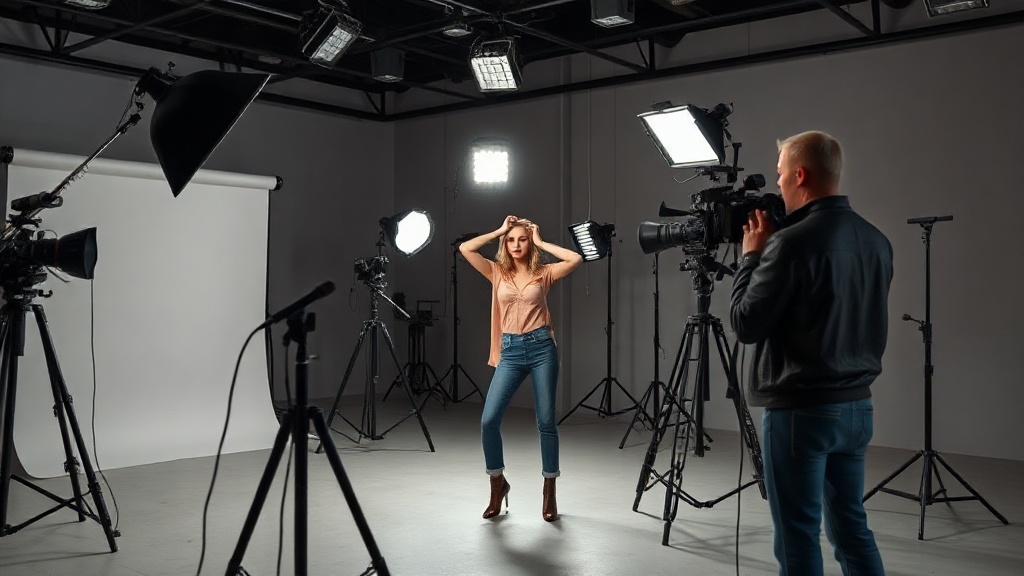
Inside the studio, control is king. Professional fashion photographers rely on strobes, softboxes, and reflectors to sculpt light. A single large softbox, placed at a 45-degree angle, delivers that creamy, luminous skin seen in luxury campaigns. Add a reflector to bounce light back and fill in shadows for dimension. For bolder looks, experiment with hard light or colored gels. Remember, modifiers are your toolbox—grids for drama, umbrellas for softness, or beauty dishes for crispy highlights.
Here’s a pro tip: set your camera’s white balance manually, especially when mixing light sources. This small step ensures your colors stay accurate, making the clothes look as vibrant as they do in person. Ultimately, mastering light is about experimentation, observation, and a willingness to break the rules when the moment calls for it.
Directing Models and Perfecting Fashion Photography Poses
Even the most stunning model won’t shine without thoughtful direction. Your role as photographer is part artist, part coach. Start by building trust—explain your concept, show reference poses, and create a relaxed atmosphere. The goal is to empower your subject, coaxing out authentic expressions and natural movement. Don’t leave your model guessing; demonstrate poses yourself if needed, or offer clear, positive feedback as you shoot.
Fashion posing isn’t about stiff, awkward stances. It’s about angles, attitude, and narrative. Guide your model to shift weight, elongate limbs, and play with hands—subtle changes can transform the mood of an image. Editorial-worthy shots often feature asymmetry, movement, or unexpected gestures. For example, a simple turn of the shoulder, a purposeful stride, or a candid laugh can inject energy and realism.
Professional fashion photographers use eye-tracking autofocus on their DSLR or mirrorless cameras to keep eyes sharp, even when the model moves. This is a game-changer for capturing in-the-moment magic. Remember, the best poses feel organic, not forced. Encourage improvisation and be ready to capture spontaneous moments—they’re often the keepers.
Creative Angles, Composition, and Styling for Impactful Shots
If you want your fashion images to leap off the page—or the screen—think beyond eye-level. Pros get low, climb high, or shoot through objects to find fresh perspectives. A dramatic low angle can make a model taller and more commanding, while overhead shots add graphic interest. Don’t be afraid to tilt the frame or crop creatively; fashion photography rewards bold composition choices.
Composition is your silent storyteller. Use the rule of thirds for balance, or break it deliberately for tension. Incorporate leading lines, mirrors, or props to guide the viewer’s gaze and reinforce your theme. The right styling lifts a photo from generic to unforgettable. Layer textures, play with unexpected color combinations, and use accessories to reinforce your narrative. For campaign work, details matter—a statement earring, the perfect shoe, or a pop of neon can anchor the entire shot.
Set design and props can elevate even a simple studio shoot. Think flower petals raining down, vintage furniture, or colored backdrops that complement the clothing. Styling isn’t an afterthought; it’s a pillar of pro-level fashion photography. When every visual element sings in harmony, your images stand out in both portfolios and brand campaigns.
Post-Production and Editing: Polishing Your Fashion Photos
No fashion photo is finished straight out of camera. Post-production is where you fine-tune your vision and polish every pixel. Start with color correction—ensure skin tones are natural and fabrics look true-to-life. Adjust exposure, contrast, and saturation to add depth without overcooking the shot. Many pros use Adobe Lightroom or Capture One for these global edits, dialing in a consistent look across the shoot.
Retouching is both art and science. Tidy up skin with a light touch; you want to retain texture, not create plastic perfection. Frequency separation is a popular technique for balancing smoothness and detail, while healing tools zap blemishes without fuss. Don’t forget the wardrobe—remove lint, fix wrinkles, and keep accessories sharp.
Most importantly, develop a signature editing style. Maybe you love dreamy pastels, high-contrast monochrome, or punchy colors. Consistency is key for building a recognizable brand. Before exporting, zoom out and review your set—do the images feel like a unified story? If not, tweak until they sing together. Your editing process is where your creative fingerprint truly emerges.
From Shoot to Showcase: Building a Professional Fashion Portfolio
So, you’ve learned how to take fashion photos like a pro. Now comes the real test: assembling a portfolio that stops people in their tracks. Curate with a ruthless eye—show only your best work, and make sure each image earns its place. Diversity matters; include editorial, commercial, and experimental shots to demonstrate range. But avoid repetition. If two photos feel too similar, pick the stronger one and move on.
Your portfolio should tell a story about who you are as a fashion photographer. Sequence images thoughtfully, grouping by mood, color, or type of client. Include behind-the-scenes shots to hint at your process and personality. An online presence is non-negotiable—invest in a clean, fast-loading website and keep your social feeds updated with fresh work. Brands and agencies want to see growth and a point of view.
Finally, never stop experimenting. The fashion world rewards risk-takers and rule-breakers. Study the legends, but forge your own path. With every shoot, you’ll sharpen your eye, refine your style, and get one step closer to that coveted pro status. Pick up your camera, plan boldly, and start capturing the next wave of iconic fashion images.
Frequently Asked Questions
What equipment do I need to take professional fashion photos?
To take fashion photos like a pro, use a DSLR or mirrorless camera with interchangeable lenses, preferably a prime lens for sharpness. Good lighting equipment, such as softboxes or reflectors, and a sturdy tripod are also essential for high-quality results.
How important is lighting in fashion photography?
Lighting is crucial in fashion photography as it highlights textures, colors, and details of clothing. Soft, diffused light is often preferred to avoid harsh shadows and create a flattering look for the model and garments.
What are some key posing tips for fashion photography?
Direct your model to use dynamic poses that showcase the clothing’s features and create visual interest. Encourage natural movements and experiment with angles to find the most flattering compositions.
How should I choose locations for fashion shoots?
Select locations that complement the style and theme of the clothing, whether it’s an urban street, studio, or natural setting. Ensure the background is not too distracting and enhances the overall mood of the shoot.
What post-processing techniques are recommended for fashion photos?
Use editing software to adjust exposure, color balance, and contrast, while retouching skin and removing distractions. Maintain a natural look to preserve the authenticity of the model and garments.


